Resilience on a Budget: The Supply Chain Playbook Smart US Retailers Are Running in 2024
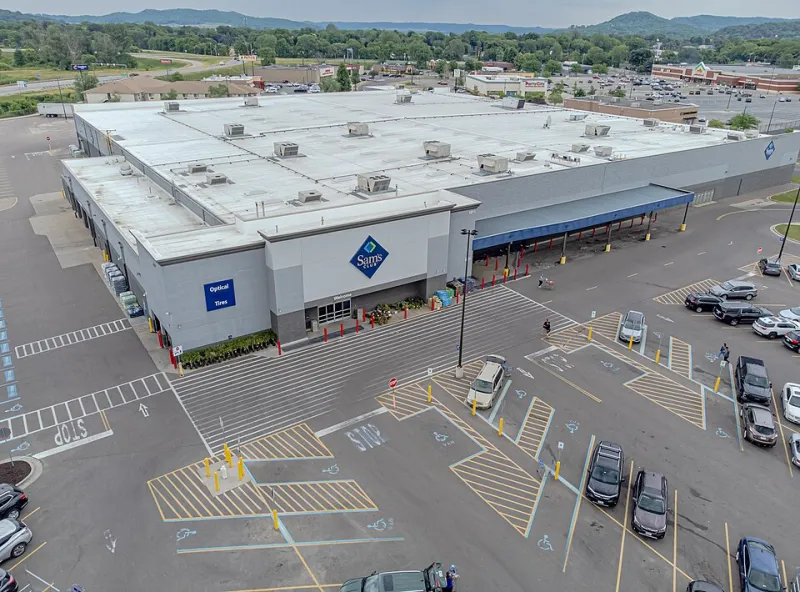
Photo: Wikideas1, CC0, via Wikimedia Commons
Let's be direct: the era of the lean, just-in-time supply chain operating without a safety net is over. The past four years have made that abundantly clear. What's less obvious—and far more actionable—is what responsible mid-market retailers are doing right now to rebuild supply chain durability without gutting their operating budgets in the process.
This is not a crisis management piece. It is a forward-looking framework for US retailers who understand that the next disruption is not a hypothetical. It is a calendar event without a confirmed date.
The Disruption Landscape Has Permanently Shifted
To build an effective playbook, it helps to understand the terrain. The disruptions of 2020 through 2023—pandemic-driven factory shutdowns, container shortages, West Coast port delays, and the demand volatility that followed—were not anomalies. They were previews.
In 2024, US retailers continue to navigate a complex environment. The Federal Reserve's extended period of elevated interest rates has increased the cost of carrying inventory. Geopolitical tensions affecting shipping lanes through the Red Sea have added transit time and freight cost unpredictability. Meanwhile, consumer behavior remains difficult to model, with discretionary spending patterns shifting faster than traditional forecasting tools can track.
According to the 2024 MHI Annual Industry Report, 74 percent of supply chain leaders expect disruptions to continue at the same or greater intensity over the next three years. Yet fewer than 40 percent report having mature contingency frameworks in place.
That gap is where opportunity lives for mid-market operators willing to move deliberately.
Framework One: Tiered Supplier Diversification
The single-source supplier model served many US retailers well during periods of stability. It is a liability in periods of volatility. The most resilient retailers operating today have moved toward a tiered supplier structure—not necessarily doubling their vendor base, but deliberately building redundancy into their highest-risk SKU categories.
In practice, this means identifying your top 20 percent of products by revenue contribution and ensuring each has at least two qualified supplier relationships: a primary source optimized for cost and volume, and a secondary source—often domestic or near-shore—optimized for speed and reliability during disruptions.
A mid-sized sporting goods retailer based in Colorado implemented this model in late 2023 after a single overseas supplier delay wiped out their winter apparel season margin. By adding a secondary supplier in Mexico for their top 15 SKUs, they absorbed a 2024 Q1 shipping delay from their primary source with zero stockouts in those categories.
The added supplier management overhead was real. The margin protection was worth it.
Framework Two: Dynamic Safety Stock Calibration
Static safety stock levels—the practice of setting a fixed buffer quantity and leaving it unchanged for months—are a relic of more predictable times. Leading retailers are replacing static buffers with dynamic safety stock models that adjust based on real-time lead time variability, demand signals, and supplier performance history.
This is precisely where modern inventory management platforms, like those offered through PendaStock, deliver measurable value. Automated systems can ingest supplier lead time data, sales velocity trends, and seasonal demand patterns to continuously recalibrate reorder points without requiring manual analyst intervention.
The result is a buffer that expands when risk is elevated—say, ahead of a peak shipping season or following a supplier reliability flag—and contracts when conditions stabilize, freeing up working capital without sacrificing service levels.
For a retailer managing 500 or more active SKUs, this kind of automated calibration can reduce carrying costs by 8 to 15 percent while simultaneously improving in-stock rates. That is not a trade-off. That is a compounding advantage.
Framework Three: Demand Signal Diversification
Historical sales data is a lagging indicator. By the time a trend appears clearly in your sales history, your competitors have likely already reacted to it. Top-performing retailers in 2024 are supplementing internal data with external demand signals—social media trend monitoring, search volume analytics, early-season wholesale order patterns, and point-of-sale data from adjacent markets.
This does not require a dedicated data science team. Several affordable tools integrate directly with inventory and e-commerce platforms to surface these signals in usable formats. The discipline is less about technology and more about building a habit of looking outward before looking backward.
A regional home décor chain in the Southeast credited external signal monitoring with helping them identify a surge in demand for a specific aesthetic trend six weeks before it appeared in their own sales data. That lead time allowed them to place supplier orders ahead of the rush, avoid the freight premium that competitors paid, and capture the demand wave at full margin.
Framework Four: Logistics Network Flexibility
Carrier concentration is another underappreciated vulnerability. Retailers that rely on a single freight carrier or fulfillment partner for the majority of their volume are exposed to service failures, capacity constraints, and rate increases that they have limited leverage to address.
Building a multi-carrier logistics strategy does not mean fragmenting shipments inefficiently. It means negotiating active relationships with two or three carriers across your key lanes, maintaining familiarity with regional carrier options, and using rate-shopping integrations within your logistics platform to route shipments dynamically based on cost and transit time.
The upfront administrative investment is modest. The downside protection during peak season capacity crunches or carrier service disruptions is substantial.
The Technology Investment That Pays for Itself
A recurring concern among mid-market operators is the perceived cost of supply chain technology. The honest assessment in 2024 is that the cost of not investing has become demonstrably higher than the cost of investing.
Cloud-based supply chain visibility platforms, demand forecasting tools, and integrated inventory management systems have compressed in price significantly over the past several years. The barriers that once made these capabilities exclusive to enterprise retailers have largely dissolved.
More importantly, the ROI case has become easier to make. A business that avoids a single major stockout event—or avoids an emergency air freight shipment to compensate for a supplier delay—can often recover the full annual cost of a platform subscription from a single avoided loss.
Acting Before the Next Shock Arrives
The retailers who will navigate 2025 and beyond with the least disruption are not the ones with the largest budgets. They are the ones building their resilience infrastructure now, during the relative calm between crises.
Tiered suppliers. Dynamic safety stock. External demand signals. Flexible logistics networks. Integrated visibility platforms. None of these require enterprise capital. All of them require intentional decision-making and a willingness to treat supply chain strategy as a competitive asset rather than a back-office function.
At PendaStock, we work with operators who understand that smarter inventory and stronger supply chains are not aspirational goals—they are operational necessities. The playbook exists. The question is whether your business is running it.